What Is Natural Gas and How Does It Work?

consumption

Coal and oil, both fossil fuels, release significantly more greenhouse emissions than natural gas. That is why it is becoming increasingly popular across the globe. During its natural condition, Natural Gas  has no odor and is colorless in appearance. In addition to being a gas, it is frequently converted into a liquid state for transportation … Read more

Ethanol Fuel – An Overview

Ethanol Fuel

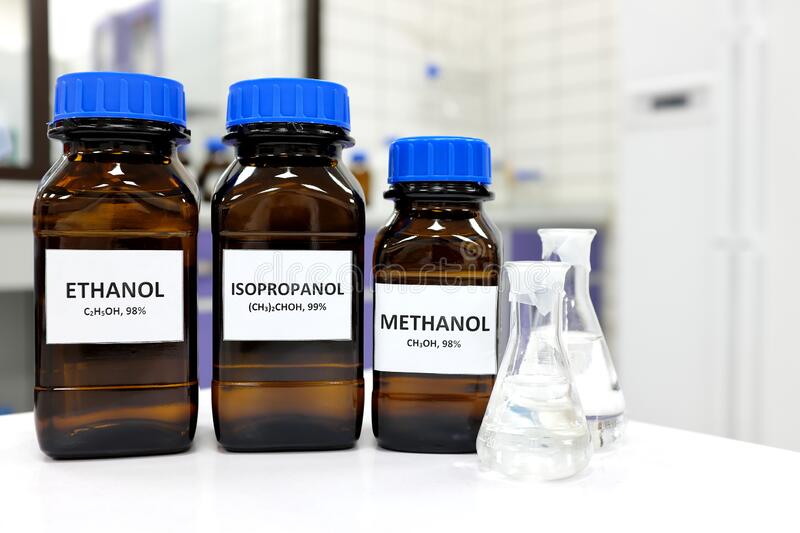
A clear, colorless liquid, Ethanol Fuel has a pleasant aroma. It has a pleasant taste when diluted in water. However, when used in higher concentrations, it produces a bitter aftertaste. Sugarcane molasses is the primary feedstock for ethanol production. Biomass having high levels of sugar or other components is used in this first-generation biofuel. A … Read more

Storage Requirements For Crude Oil

crude oil

Crude Oil What It Is? Crude oil is cleaned of contaminants, water, and gases before being delivered to refineries (refineries), where it is processed into various types of oil products. The composition of crude oil, as well as the oil products obtained from it, dictates the quality of both: it is this composition that decides … Read more

Gasoline Primary Conditions

Gasoline

Almost every automobile owner utilises gasoline on a regular basis. A wide range of fuel available at refineries and gas stations across the country. Its composition, additives, physical and chemical qualities, and labelling are all different. It is clear that the usage of different types of gasoline has an instant impact on the engine’s performance … Read more

Why do we use oil for energy?

oil for energy

Oil is an energy source that is not renewable. It’s a type of fossil fuel. Coal and natural gas are two more fossil fuels. For almost 5000 years, oil utilizes. Oil is mostly utilized in autos and other vehicles. Oil as a source of energy The formation of oil discussed here. Many creatures and plants … Read more

What Is The Process Of Ethanol Production?

ethanol

One of man’s early forays into value-added agriculture-based processing was the manufacture of Ethanol from starch or sugar-based crops. The abundant sugars present in plants might be readily and economically turned into clean-burning, renewable alcohol fuels, as Henry Ford and Alexander Graham Bell were among the first to realize. While the principle remains the same … Read more

What Is The Definition Of A Diesel Power Plant?

diesel

Many consumers want to learn more about what a diesel power plant is. How well it can solve specific difficulties before deciding on a device for producing electricity in an autonomous mode. A customised power plant based on two fundamental mechanisms: an electric generator and a diesel engine are referred to as a DPP. They … Read more

Natural Gas: Hazards, Characteristics, And Composition

Hazards

Natural gas hazards is a mineral that is in the form of a gas. Its uses as a fuel in a variety of applications. However, natural gas is not used as a fuel; instead, its element separates and used separately. Composition Of Natural Gas Natural gas contains up to 98 per cent methane, as well … Read more

Why Is Geopolitics Important For Students?

geopolitics

The Realist tradition includes a lot of geopolitics. Indeed, it may be viewed as a description of the geographical dimensions of power politics, as changed by technology and economics, as well as its strategic implications realpolitik manifested in physical space. Power is rooted in the physical nature of the world itself; the modern state’s power … Read more

How Is Coal Made?

coal

Over hundreds of millions of years, dead plant matter buried in wetland conditions is exposed to geological forces of heat and pressure, resulting in coal. Coal is an energy- and carbon-dense black or brownish-black sedimentary rock that develops over time from wet, low-carbon peat.  Coal has a wide range of characteristics and may be divided … Read more