What Is Natural Gas and How Does It Work?

consumption

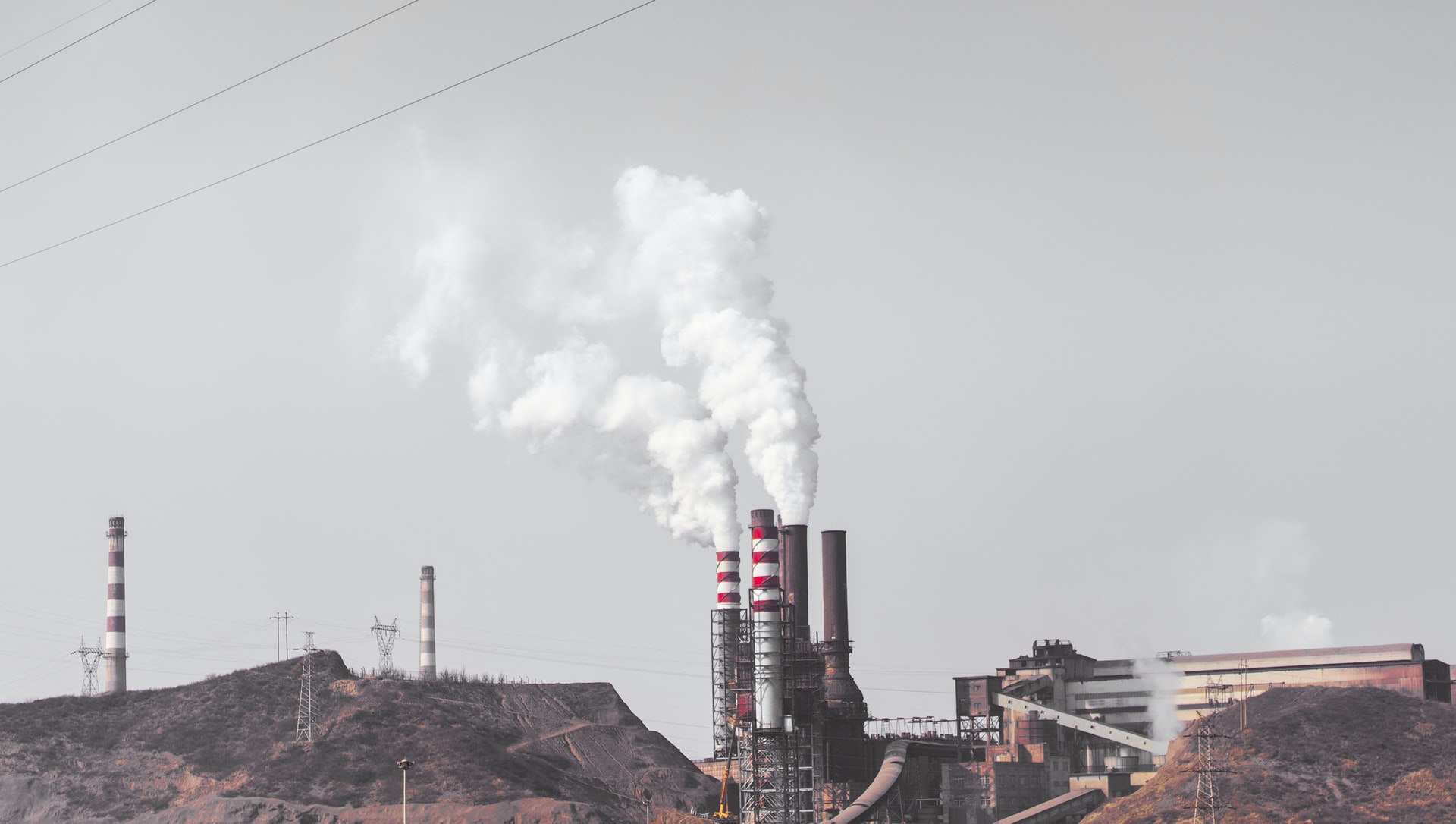
Coal and oil, both fossil fuels, release significantly more greenhouse emissions than natural gas. That is why it is becoming increasingly popular across the globe. During its natural condition, Natural Gas  has no odor and is colorless in appearance. In addition to being a gas, it is frequently converted into a liquid state for transportation … Read more
Emissions Of Electromagnetic Radiation

electromagnetic radiation

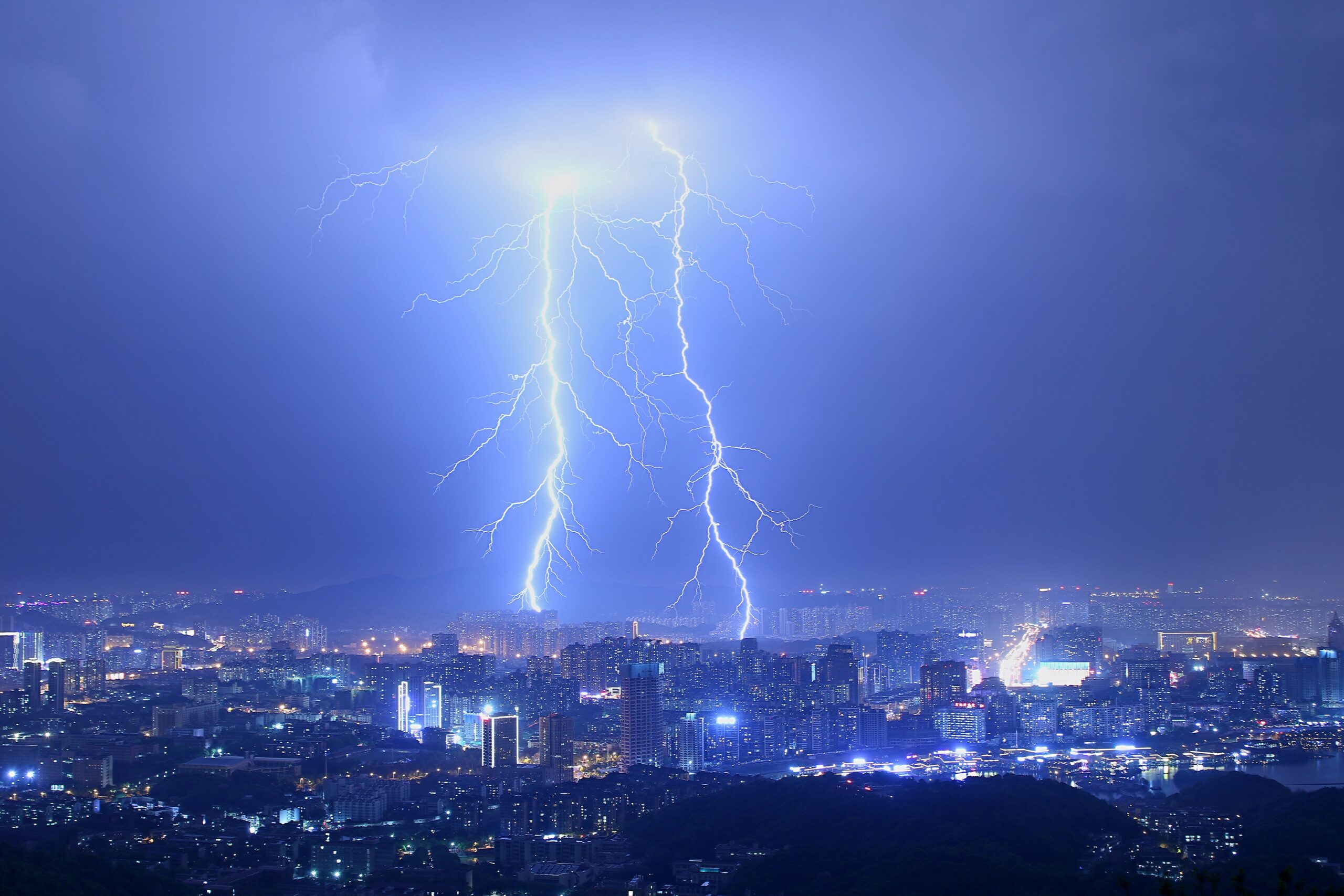
Classical physics defines electromagnetic radiation as the passage of energy through space at the speed of light. Electromagnetic waves, which include radio waves, visible light, and gamma rays, pass through a material medium in the form of electric and magnetic fields and are hence called electromagnetic waves. Electric and magnetic fields oscillate with a frequency … Read more

Advantages And Disadvantages Of Non Renewable Energy

advantages and disadvantages

Natural  processes are the sole sources of non-removable energy, which cannot be replaced. Fossil fuels like coal, gas, and oil are examples of nonrenewable energy sources. Because of the finite availability of uranium in the Earth’s crust, nuclear energy is likewise considered nonrenewable. Because fossil fuels are formed from the remains of dead plants and … Read more

Nonrenewable Energy Sources

Nonrenewable Energy

Those energy sources that deplete the earth’s fossil fuel reserves are classified as nonrenewable. Because the environmental impacts is so severe, even a short trip can provide us an up-close look at real-world case studies. Many parts of the world are seeing rapid depletion of fossil fuels due to nonrenewable resources. The following are the … Read more

How Solar Power System Works ?

Power System

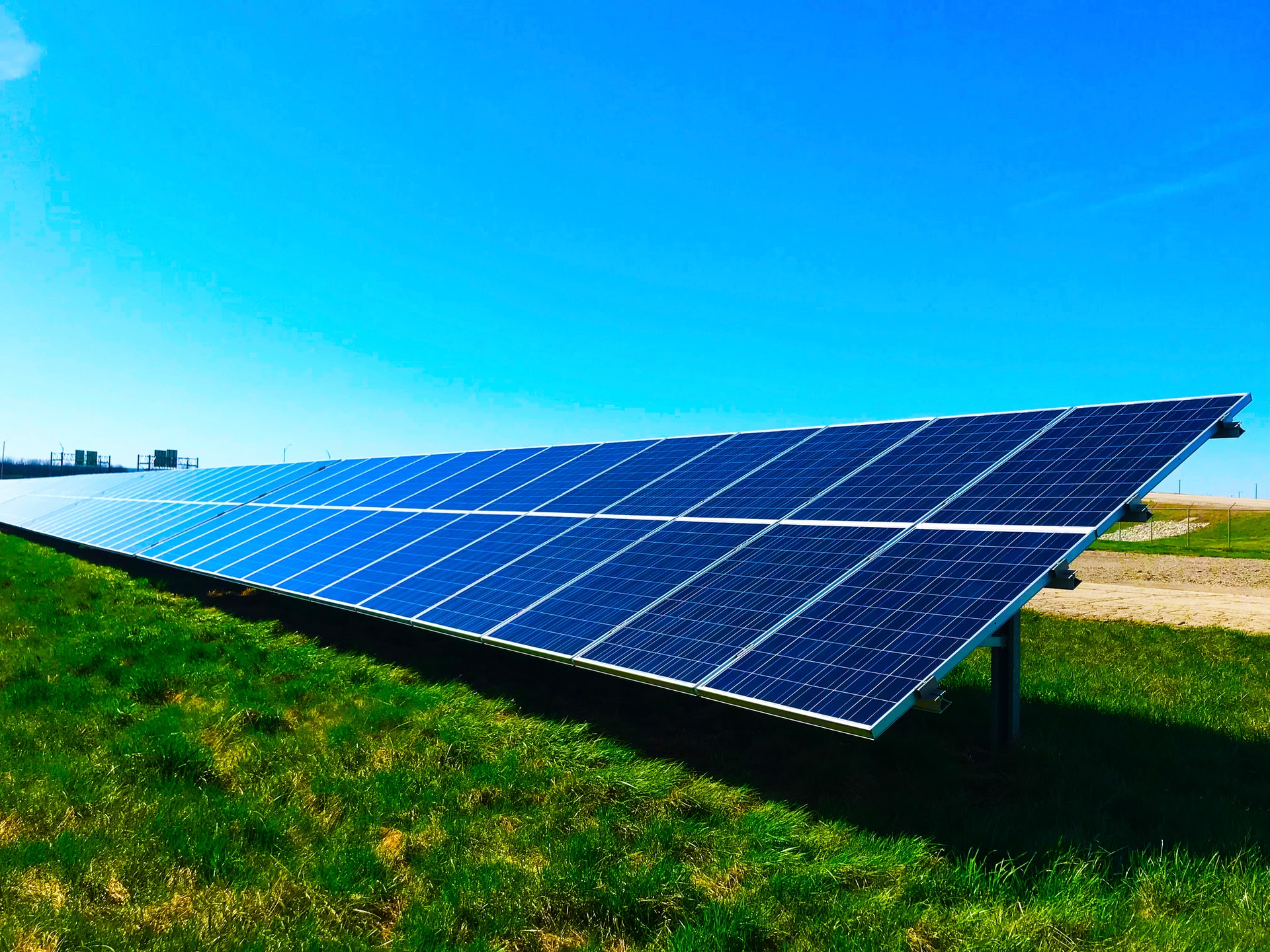
The renewable solar power system is defined as energy that is derived from the sun. Every day, the sun radiates or releases an enormous quantity of energy into the atmosphere. It takes one second for the sun to radiate as much energy as all of humanity has used since the beginning of time! I’m curious … Read more

Nuclear Energy Is A Type Of Energy That Is Produced By Fissioning Atoms

type of energy

Is There A Difference Between Nuclear And Conventional Energy? Atoms are the smallest particles that make everything around you. A single atom’s mass is primarily confined to the core (which is called the nucleus). The electron cloud encircling the nucleus contains the remainder of the mass with type of energy. The nucleus is made up … Read more

Types of Geothermal Energy 

types of geothermal energy

In layman’s terms, types of geothermal energy can be defined as: We’ll save you the time and effort of searching the internet for information about types of geothermal energy and its many advantages now. As a result, geothermal energy can be defined as heat that comes from beneath the earth’s surface. When you hear the … Read more

Different Types Of Energy

types of energy

What Exactly Does It Mean To Be Energetic? Consider how you feel when you first wake up in the morning. If you have a lot of energy, it suggests you’re awake, ready to go, and capable of getting things done during the day. Types of Energy are described as the ability to conduct labor, which … Read more

What You Need to Know About Climate Change Over

What is known as Climate Change and How Does It Affect Us? By its longer-term trend, Climate change Over is distinguished from natural weather fluctuation. Climate change is characterized as a significant change in average weather conditions over several decades or more, such as circumstances becoming warmer, wetter, or drier. Those who have contributed the … Read more

Storage Requirements For Crude Oil

crude oil

Crude Oil What It Is? Crude oil is cleaned of contaminants, water, and gases before being delivered to refineries (refineries), where it is processed into various types of oil products. The composition of crude oil, as well as the oil products obtained from it, dictates the quality of both: it is this composition that decides … Read more